I Wear the Same Capsule 3 Summers in a Row. No Regrets.
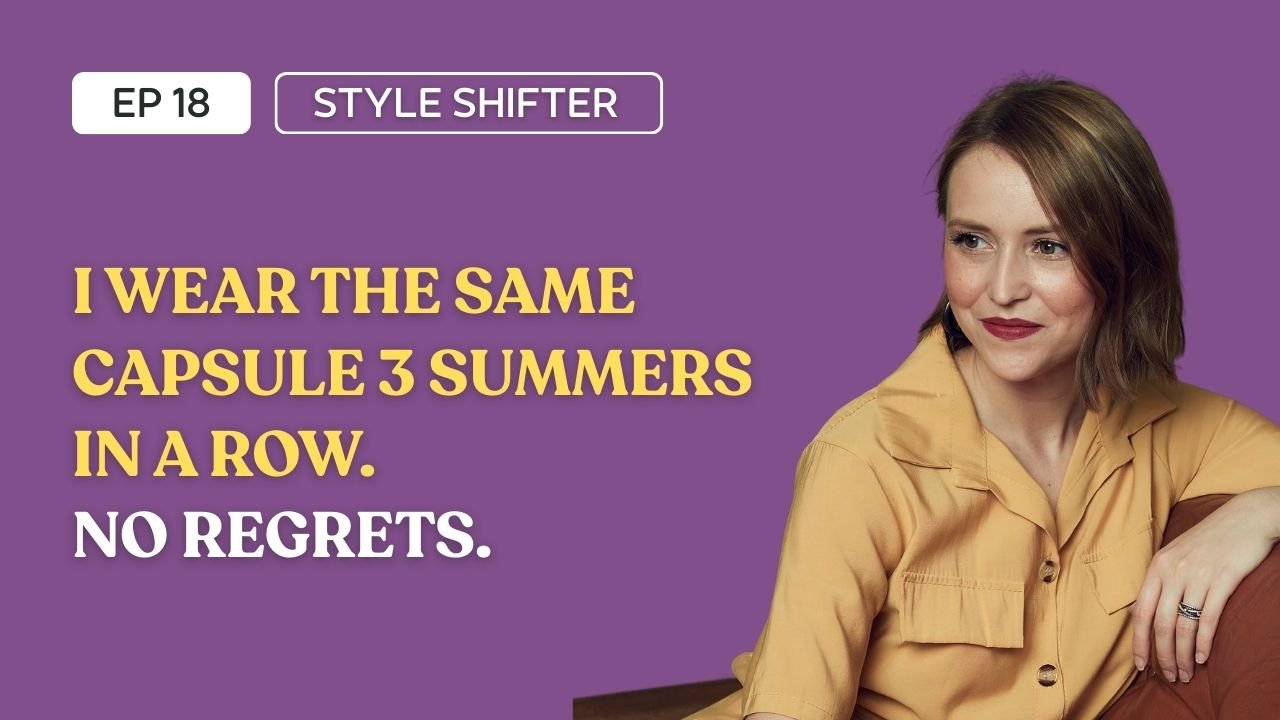
Daria now gets dressed in 5 minutes, down from 40-60 minutes. But the transition to a smaller wardrobe comes with psychological doubt. This episode explores why "just enough" feels uncomfortable in a culture that equates more with better, how loss aversion keeps us clinging to excess, and what the 7+ year journey to wardrobe peace actually looks like.
Topics Covered:
Understanding the "enough but not enough" feeling: the psychological experience of wardrobe transition
The gap between rational brain (this works) and emotional brain (what if I don't have enough?)
Loss aversion research: why our brains notice lost options more strongly than gained simplicity
Why "just enough" feels uncomfortable in a culture of abundance
How to support yourself through the transition: remember feelings come and go, build emotional evidence, define "enough" for YOUR life
How long it actually takes: Daria's personal 7+ year journey
Deciding if Wonder Wardrobe is really for you


Episode Summary
Daria Andronescu now gets dressed in 5 minutes, whereas she used to spend 40-60 minutes choosing what to wear — a shift achieved through a structured wardrobe, not additional clothing. According to Wonder Wardrobe's experience-based methodology, the first few seasons (even years) of capsule living can include moments of doubt: a gap between the rational brain knowing the system works and the emotional brain still running old patterns of "what if I don't have enough?" Loss aversion research shows that our brains notice losses more strongly than gains, so even when women gain simplicity and cohesion, part of the brain focuses on the options lost. The Style Shifter podcast explores why "just enough" feels uncomfortable in a culture that equates more with better, as part of a 7+ year journey to wardrobe peace.
Key Takeaways:
The first few seasons of capsule living include moments of doubt. That's normal, not a sign the system is broken
Loss aversion means your brain will focus on what you gave up, even when you gained simplicity and cohesion
The goal isn't as few clothes as possible. It's exactly the right amount for YOUR life
Join Studio+ (personalised styling coaching)
Download the Wonder Wardrobe app
Same Capsule 3 Summers, No Regrets - FAQs
Q1: How can I get dressed in 5 minutes instead of 40-60 minutes?
Efficient dressing emerges through wardrobe design that supports quick selection and the elimination of excessive choice. Strategies include: limiting colour palettes (fewer colour-coordination decisions), visually grouping compatible pieces, creating pre-styled outfit combinations, and reducing the total piece count (fewer options paradoxically simplify selection). Loss aversion research shows that unlimited clothing choices create selection paralysis rather than satisfaction. When individuals design wardrobes with natural limiting factors (coordinated colours, categorised groupings, pre-planned combinations), decision speed increases dramatically. The seven-plus-year journey toward consistently efficient dressing reflects the gradual psychological and behavioural shifts required to successfully maintain streamlined wardrobe systems.
Q2: What is loss aversion, and how does it affect my morning dressing routine?
Loss aversion describes our psychological preference to avoid losses more intensely than we value equivalent gains. When facing excessive wardrobe options, you unconsciously worry about selecting the "wrong" outfit, triggering anxiety and decision paralysis. Paradoxically, unlimited choice creates stress rather than satisfaction. Efficient wardrobes succeed in part because limited yet coordinated options eliminate the anxiety of "wrong" selections. Every piece in a well-designed wardrobe works together; any selection generates acceptable outfit combinations. This eliminates the loss-aversion anxiety that creates extended morning dressing times. Understanding this psychological mechanism explains why constraining wardrobes actually improves experience.
Q3: How long does it take to develop a 5-minute dressing routine?
Most individuals require seven or more years to develop consistently efficient five-minute dressing routines. This extended timeline reflects the gradual psychological adjustment and habit formation needed to maintain streamlined wardrobes. Developing an efficient dressing approach involves not just an initial wardrobe redesign but also sustained behavioural change: resisting accumulation, maintaining organisational systems, and continuously evaluating whether pieces align with lifestyle and aesthetic preferences. The Style Shifter Podcast emphasises that efficient dressing emerges gradually through sustained practice and psychological investment. Rather than expecting an overnight transformation, recognise extended timelines as normal and maintain commitment throughout the journey.